
Treatment Plants · Kenya
Water Treatment Plant Contractors in Kenya
Water and wastewater treatment works designed and constructed against the load you actually produce and the discharge standard you actually have to meet.
- Engineering disciplines in-house
- 3
- Service lines under one contract
- 7
- Incorporated in Kenya
- Est. 2017
Discuss a treatment plant
Four fields. You'll hear back within one business day, from someone who can answer technical questions.
Registered and compliant with


The two things that decide a plant
Load in, standard out. Everything else follows
A treatment plant is defined by what enters it and what is legally permitted to leave. Get either of those wrong at the start and no amount of good construction rescues it: a plant sized for a load it never receives runs badly, and one sized for a load smaller than reality fails its discharge consent from the first month.
Both are measurable. Flow and strength can be characterised. The discharge standard is set by where the effluent goes and what NEMA permits for it. Yet plants get specified from a capacity in cubic metres and a brochure, and the process selection — the part that determines whether the standard is achievable at all — happens by default.
TopHall Group approaches treatment works as civil and environmental engineering. The process sizing, the civil structures that contain it, the hydraulics that move water through it and the environmental compliance that governs it are all in-house disciplines here.
Why plants underperform
Five reasons treatment works fail their consent
Almost never because the concrete was poor.
A load that was assumed, not measured
Flow and strength characterised properly at the start is the cheapest work on the whole project, and the most frequently skipped.
Process chosen before the standard was known
The required discharge quality determines which treatment process can work. Selecting equipment first means discovering later that the standard is unreachable.
No allowance for variation
Load varies by hour, by day and by season. A plant designed only for the average will fail at peak, which is when anyone is watching.
Hydraulics that do not flow
Levels, falls and head through the treatment train have to work by gravity where they are meant to. Retrofitting pumps into a built plant is expensive and permanent.
Nobody designed for operation
Access for desludging, maintenance and sampling has to be built in. A plant that cannot be maintained will not be maintained.
What we provide
Treatment works, designed and delivered
From characterising the load to handing over a commissioned plant.
Process Design & Sizing
Treatment train selected and sized against measured load and the discharge standard the site has to meet.
Civil Construction
Tanks, chambers, channels, plant rooms and hardstanding built to the structural and water-retaining design.
Structural Design
Water-retaining structures designed for the loads, pressures and durability a treatment environment imposes.
EIA & Discharge Compliance
Environmental impact assessment and management plans for works that require them, with discharge conditions carried into the design.
Delivery & Commissioning
Programme, procurement, inspection and commissioning under load, with operating information handed over.
How a plant is delivered
Six stages, measurement first
The first two determine whether the rest can succeed.
Characterise the load
Flow and strength, including how both vary through the day and across the year.
Establish the standard
Where the effluent will discharge and what quality is permitted there.
Process selection & sizing
Treatment options that can meet the standard, sized and costed against each other.
Civil & structural design
Tanks, chambers and hydraulics designed with access for operation and maintenance built in.
Construction
Civil works with inspection of levels, falls, reinforcement and watertightness before covering.
Commissioning & handover
Tested under real load, sampled against the standard, with operating and maintenance information issued.
Why TopHall
The civil engineering is not the afterthought
On a treatment plant, most of the cost and most of the risk is in the concrete.
Water and structural engineering in one team
Process hydraulics and water-retaining structures designed together, which is the interface plants most often fail at.
Independent of equipment suppliers
We have no package plant to sell, so the process recommendation follows the load and the standard rather than a supplier relationship.
Compliance designed in
EIA and environmental management planning are our own services, so discharge conditions shape the design instead of arriving as a surprise.
Built to be operated
Desludging access, sampling points and maintenance routes designed in, because a plant nobody can service stops working.
Commissioned under real load
Tested against the actual influent and sampled against the standard before it is handed over.
Our work
Concrete and civil works
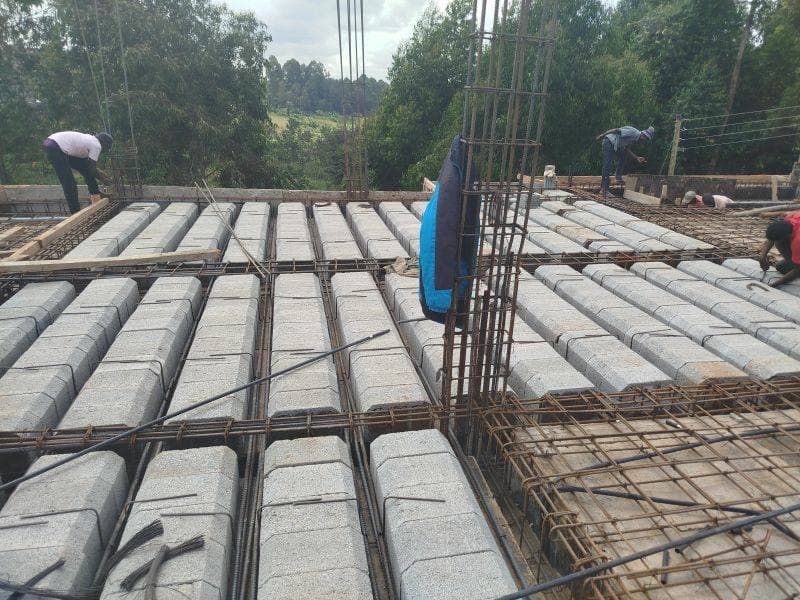
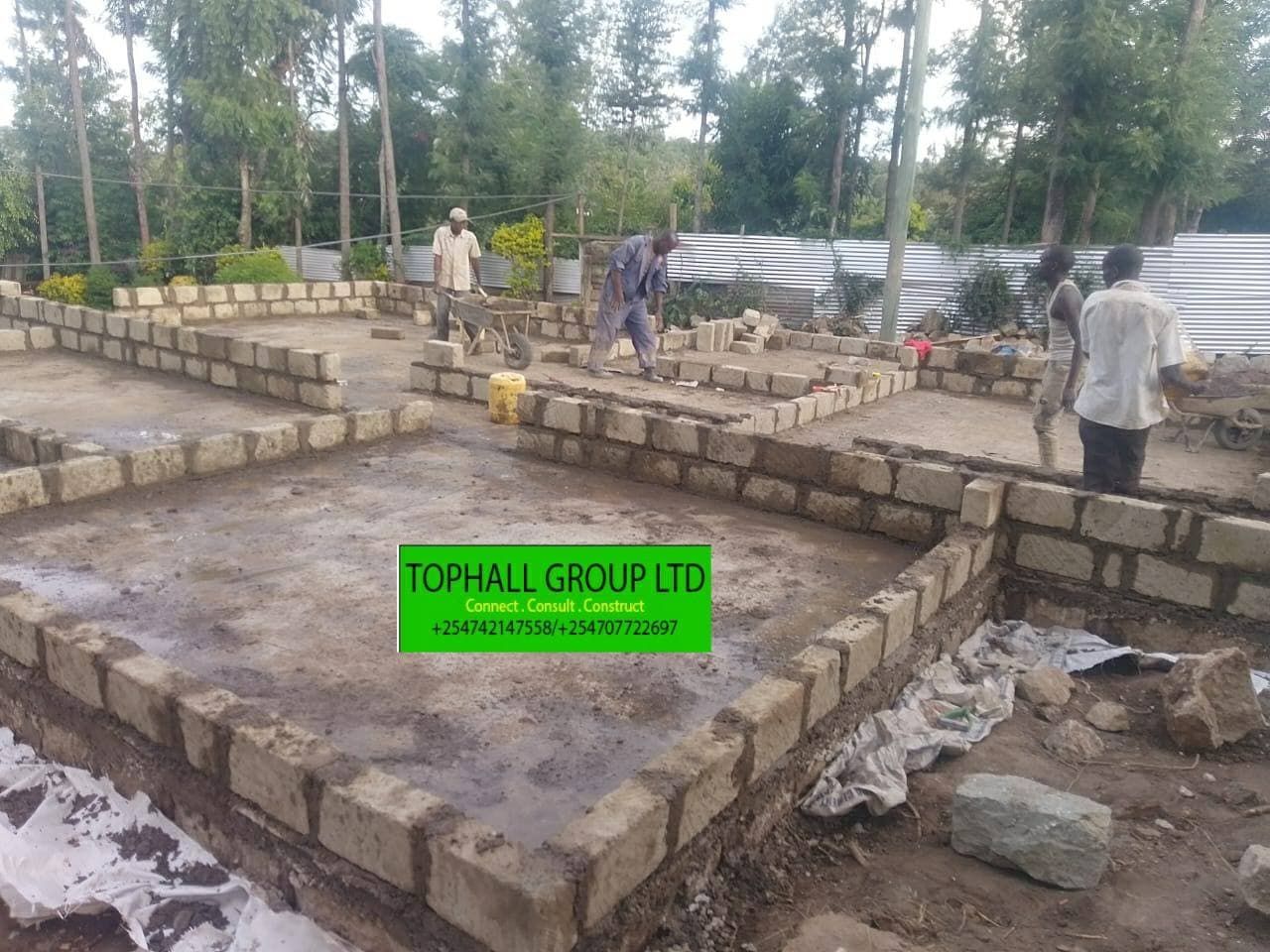
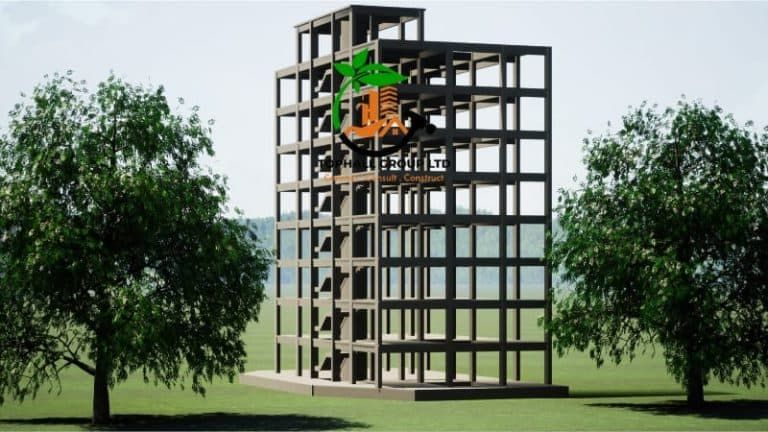
Photographs from TopHall sites showing the reinforced concrete and civil construction treatment works are built from.
 Site photograph
Reinforced concrete construction with steel set out and inspected — the discipline water-retaining structures depend on.
 Site photograph
Excavation and stone foundations, the substructure beneath tanks and chambers.
 Design visualisation
Structural design capability for plant buildings and supporting frames.
Before you call
What operators ask about treatment plants
Should I buy a packaged plant or have one designed?
It depends on the load and the site. A packaged unit can be the right answer where the flow is modest and predictable and the discharge standard is achievable with a standard process. It is the wrong answer where the load varies widely, the standard is demanding, or the site's levels make the hydraulics awkward. Because we do not sell packaged plants, we can tell you honestly which situation you are in.
How do you size a plant if the facility is not built yet?
From the design occupancy and use — rooms, covers, staff, processes — applied to established loading figures, with the variation profile modelled rather than averaged. Where a phase two is planned, we would normally design the civil structures for the eventual load and the mechanical equipment for the current one, since concrete is far harder to extend than plant.
What approvals does a treatment plant need?
Works involving effluent discharge commonly require environmental impact assessment and a NEMA licence, and the discharge itself is subject to quality standards enforced against the operator. Abstraction, where relevant, carries its own permitting. We establish which apply during the assessment stage and prepare the environmental documentation in-house, so the statutory route is programmed rather than discovered.
Need a treatment plant designed or built?
Tell us what the effluent is, roughly how much of it there is, and where it has to discharge. That is enough for a first conversation.
Prefer to talk now? Call +254 742 147 558.