
Investment Appraisal · Kenya
Real Estate Feasibility Consultants
Development appraisals where the construction cost is measured rather than assumed — because the build figure is the input that moves the return more than any other.
- Service lines under one contract
- 7
- Incorporated in Kenya
- Est. 2017
- Combined team experience
- 10+ yrs
Request an appraisal
Four fields. You'll hear back within one business day, from someone who can answer technical questions.
Registered and compliant with



Where development appraisals break
The model is usually fine. The construction cost inside it is not
Development appraisals are built carefully. Absorption rates get researched, rents get benchmarked, finance costs get modelled properly, sensitivities get run. And then the construction cost — the largest single line and the one with the most variance — arrives as a rate per square metre from a broker's rule of thumb.
That is where the returns go. A build cost fifteen percent higher than modelled does not reduce the return by fifteen percent; on a geared development it can remove most of it. And unlike rent, construction cost is knowable in advance, because it can be measured.
TopHall Group works on real estate appraisals from the construction side. Quantity surveying, structural engineering and environmental assessment are all in-house, which means the cost, programme and statutory inputs in the model are produced by people who would have to deliver them.
What weakens an appraisal
Five inputs that quietly invalidate a model
Each of them is checkable before the acquisition.
Build cost from a rate rather than a measurement
Rates carry assumptions about ground, structure and specification that may not apply to your site. On a geared model that variance is where the equity return lives.
Substructure assumed to be ordinary
Foundation type is the biggest cost swing on a Kenyan site and it is a ground investigation question, not a market average.
Programme that ignores the approval route
County approval and any environmental licensing sit on the critical path. A programme that omits them understates finance cost.
External works excluded
Access, roads, drainage, water, boundary and landscaping on a multi-unit scheme are a significant sum and are frequently outside the modelled rate.
No sensitivity on the cost side
Models routinely flex rent and absorption while treating build cost as fixed. It is the input most likely to move.
What we contribute
The technical inputs an appraisal depends on
Standalone, or as the construction side of a wider advisory team.
Development Appraisal
Viability tested across technical, financial, environmental and programme dimensions, with the reasoning shown.
Measured Construction Cost
Elemental cost built from quantities rather than a rate, so the largest line in the model is defensible.
Capacity & Massing Studies
What the plot and the zoning actually permit, tested as schemes rather than assumed from plot ratio.
Environmental & Statutory Screening
Whether the development triggers a NEMA requirement and what it adds to the programme.
Programme & Risk Analysis
A realistic delivery timeline including approvals, and the specific risks that would move cost or date.
How an appraisal runs
Six stages to an investable answer
Structured so the output can go in front of a credit committee.
The investment question
Acquisition, development or exit — and the return the investment has to make.
Site & regulatory capacity
Ground conditions, levels, services, and what development control permits on that plot.
Scheme options
Two or three developable schemes tested for yield, efficiency and buildability.
Measured cost & programme
Elemental construction cost and a delivery programme including the statutory route.
Financial model & sensitivity
Returns modelled, then flexed on build cost, programme and absorption to show where the downside sits.
Recommendation
A clear position with the assumptions listed, so a lender or a partner can interrogate it.
Why TopHall
The construction input is the point
Plenty of people can build a model. Fewer can defend the number inside it.
Cost measured by quantity surveyors
Quantity surveying is one of our seven service lines, so the build figure is taken off drawings rather than pulled from a rate table.
Buildability assessed by engineers
Structural and civil capability in-house means the scheme in the model is one that can physically be delivered on that site.
Sensitivity run on the cost side
We flex build cost and programme, not just rent and absorption, because those are the inputs most likely to surprise you.
Statutory programme included
Approval and environmental licensing carried as dated items, which is what makes the finance cost in the model realistic.
Independent of the outcome
An appraisal is a standalone appointment. We have no design or construction fee riding on the answer being yes.
Our work
What the cost line actually buys
One visualisation and two site photographs, all our own. Each is labelled for what it is, because an appraisal built on somebody else's portfolio is worth nothing.
 Design visualisation
A residential scheme at visualisation stage — the product an appraisal is modelling.
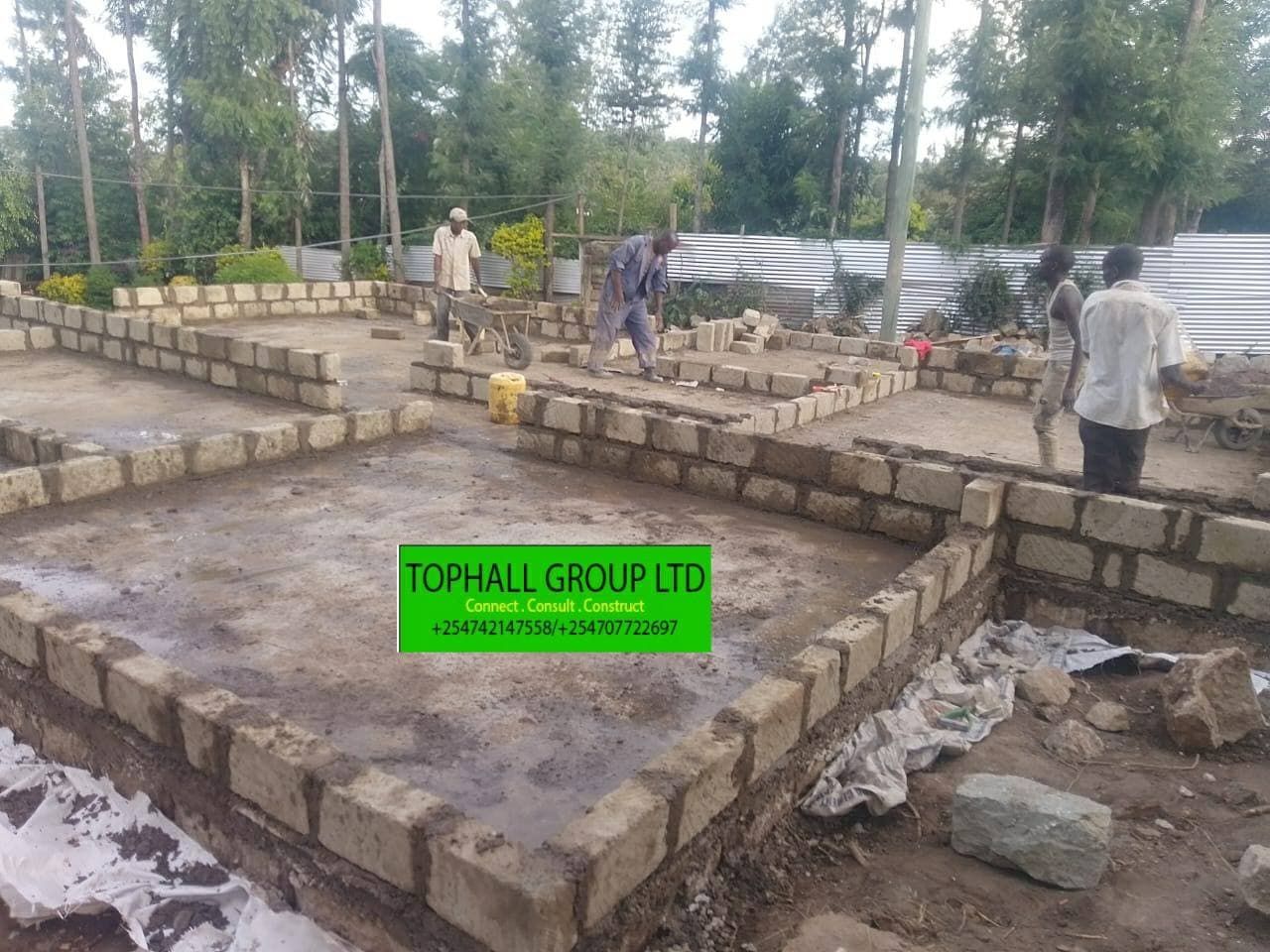 Site photograph
Substructure works: the element where an assumed construction rate most often proves wrong.
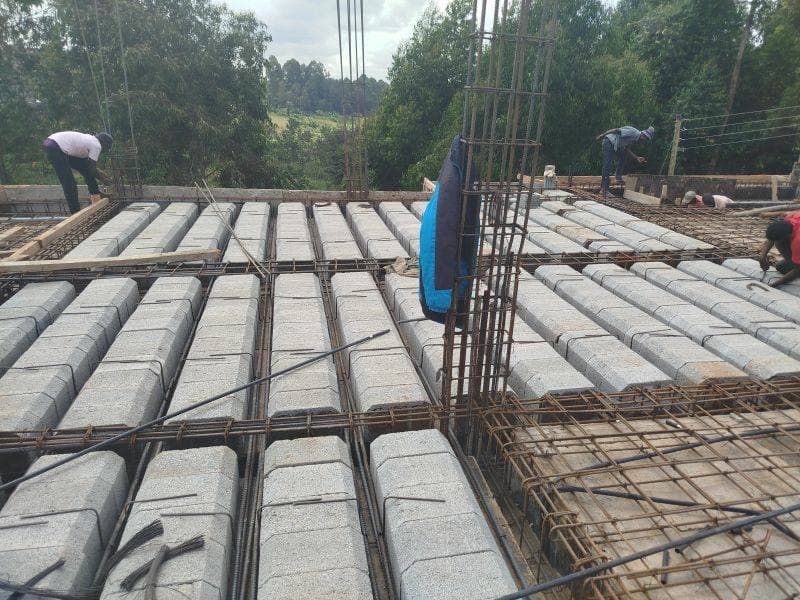 Site photograph
Frame and slab construction, the largest measured elements in most development budgets.
Before you call
What investors ask
Can you firm up the construction cost in a model we have already built?
Yes, and it is often the most useful single piece of work we do for an investor. We take the scheme as modelled, test it for buildability on that specific site, and replace the rate-based construction line with an elemental cost built from measured quantities. You get the revised figure plus a written statement of what it assumes, which is what makes it defensible to a lender.
Do you work alongside our valuer and agents?
Yes. We cover the construction, engineering and statutory side of an appraisal; market evidence, rents and absorption are properly the domain of valuers and agents who track those daily. We would take their inputs and contribute ours, rather than offering opinions on a market we do not transact in.
How early can you assess a site?
Before acquisition, and that is when the assessment is worth the most. A short capacity and constraints review — what the zone permits, what the ground suggests, what the access allows — can be done quickly and will frequently change what you are prepared to pay for the land. The full appraisal follows once the opportunity justifies it.
Appraising a development in Kenya?
Tell us the site and the scheme you are modelling. We will tell you how much of the construction input we can firm up and how quickly.
Prefer to talk now? Call +254 742 147 558.