
Environmental Impact Assessment · Kenya
Environmental Impact Assessment in Kenya
EIA project reports, full EIA studies and environmental management plans prepared for NEMA submission — by a practice that also does the engineering, so the mitigation is buildable.
- Incorporated in Kenya
- Est. 2017
- Engineering disciplines in-house
- 3
- Service lines under one contract
- 7
Ask about your EIA
Four fields. You'll hear back within one business day, from someone who can answer technical questions.
Registered and compliant with


Where EIA sits in a project
It is a programme item, not a piece of paperwork
The Environmental Management and Co-ordination Act requires certain projects to be assessed before they are implemented. In practice that means an EIA project report, or for larger or more sensitive developments a full EIA study, submitted to the National Environment Management Authority and licensed before works begin.
The expensive mistake is treating it as a form to be filed. An EIA takes time — for public participation, for review, for any conditions attached to the licence. A project that mobilises before it has a licence is a project exposed to being stopped, and a project that discovers the requirement in month three has lost the time it could have run the assessment in parallel.
TopHall Group offers environmental impact assessment as one of its seven service lines, alongside structural and water engineering. That matters because mitigation measures are usually engineering measures — drainage, effluent handling, dust and noise control — and a management plan written by someone who cannot design them tends to produce commitments nobody can meet.
What goes wrong with environmental compliance
Five ways EIA derails a project
Every one is a sequencing problem rather than a technical one.
Discovering the requirement after mobilisation
Works started without a licence can be stopped. Whether a project triggers an assessment is a question to settle in week one, not month three.
A report that arrives and goes nowhere
Submissions are queried and returned when they are incomplete, inconsistent with the design, or thin on public participation. Each round trip costs weeks.
Mitigation nobody can actually build
An environmental management plan committing to measures that were never engineered creates obligations the site cannot meet and an audit trail that shows it.
Licence conditions nobody tracked
A licence usually comes with conditions. They are enforceable, they run through construction and into operation, and they need owners and dates.
Design and assessment running separately
When the EIA is commissioned after the design is frozen, mitigation has to be bolted on. Run together, it is designed in and costs less.
What we prepare
Environmental work, end to end
From establishing whether you need an assessment to tracking the conditions afterwards.
EIA Project Reports
The assessment most developments require, prepared for NEMA submission with the baseline, impacts and mitigation set out.
Full EIA Studies
The more detailed assessment required for larger or more sensitive projects, including scoping and public participation.
Environmental Management Plans
The document that turns mitigation into specific, assignable actions for the construction and operation phases.
Drainage & Effluent Design
Stormwater, wastewater and effluent measures engineered rather than described, so the commitments in the plan can be met.
Compliance Tracking
Licence conditions and management plan obligations carried as programme items with owners and dates.
How an EIA runs
From screening to licence
Six stages, run alongside the design rather than after it.
Screening
Whether your project requires an assessment at all, and if so which type. Answered before you spend anything.
Baseline & site study
Existing environmental conditions, receptors, drainage, land use and the surrounding community.
Impact assessment
What the project will affect during construction and in operation, and how significantly.
Public participation
Consultation with affected parties, documented in the form the submission requires.
Report & submission
The report compiled with an environmental management plan and lodged with NEMA.
Conditions & implementation
Licence conditions translated into site obligations, tracked through construction.
Why TopHall
Environmental work from an engineering practice
It changes what the report commits you to.
Mitigation that can be engineered
Because drainage, effluent and water systems are designed here, the measures in the plan are ones the site can actually deliver.
Assessment run alongside design
Environmental requirements shape the design while it is still fluid instead of being applied to a frozen scheme.
Screening before you commit
Establishing whether a project needs an assessment, and which type, is a short conversation. Getting it wrong is not.
Conditions carried into the programme
Licence conditions become tracked items with owners, not a document filed and forgotten until an audit.
One team across the statutory and the technical
The same practice handling the EIA, the drainage design and the construction means nothing is lost in the handover between them.
Our work
Where environmental measures are built
Photographs from TopHall sites showing the stages at which mitigation is physically delivered. Each is captioned for what it is.
 Site photograph
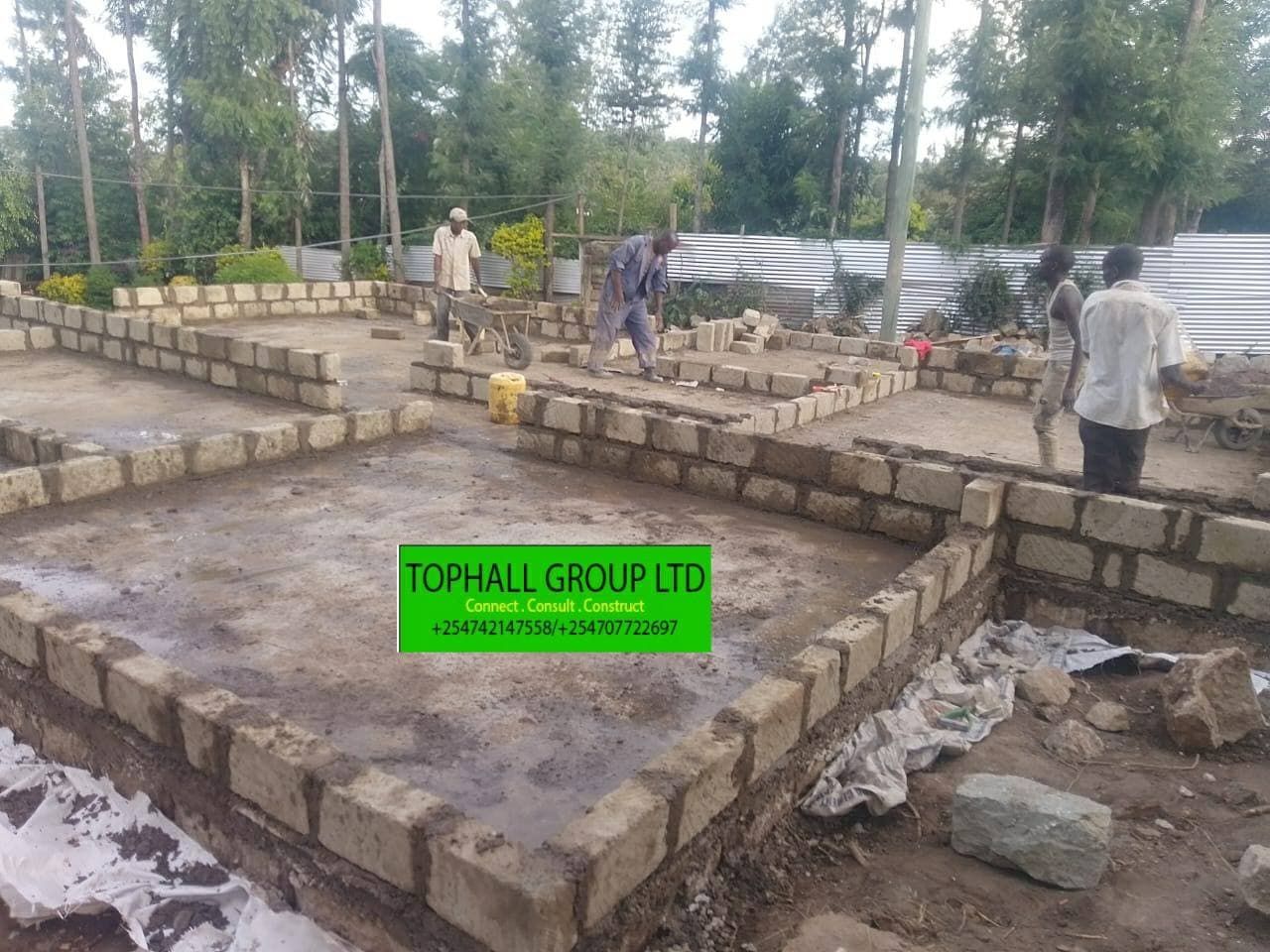
Substructure works — the stage where excavation, spoil handling and site drainage controls are implemented.
 Site photograph
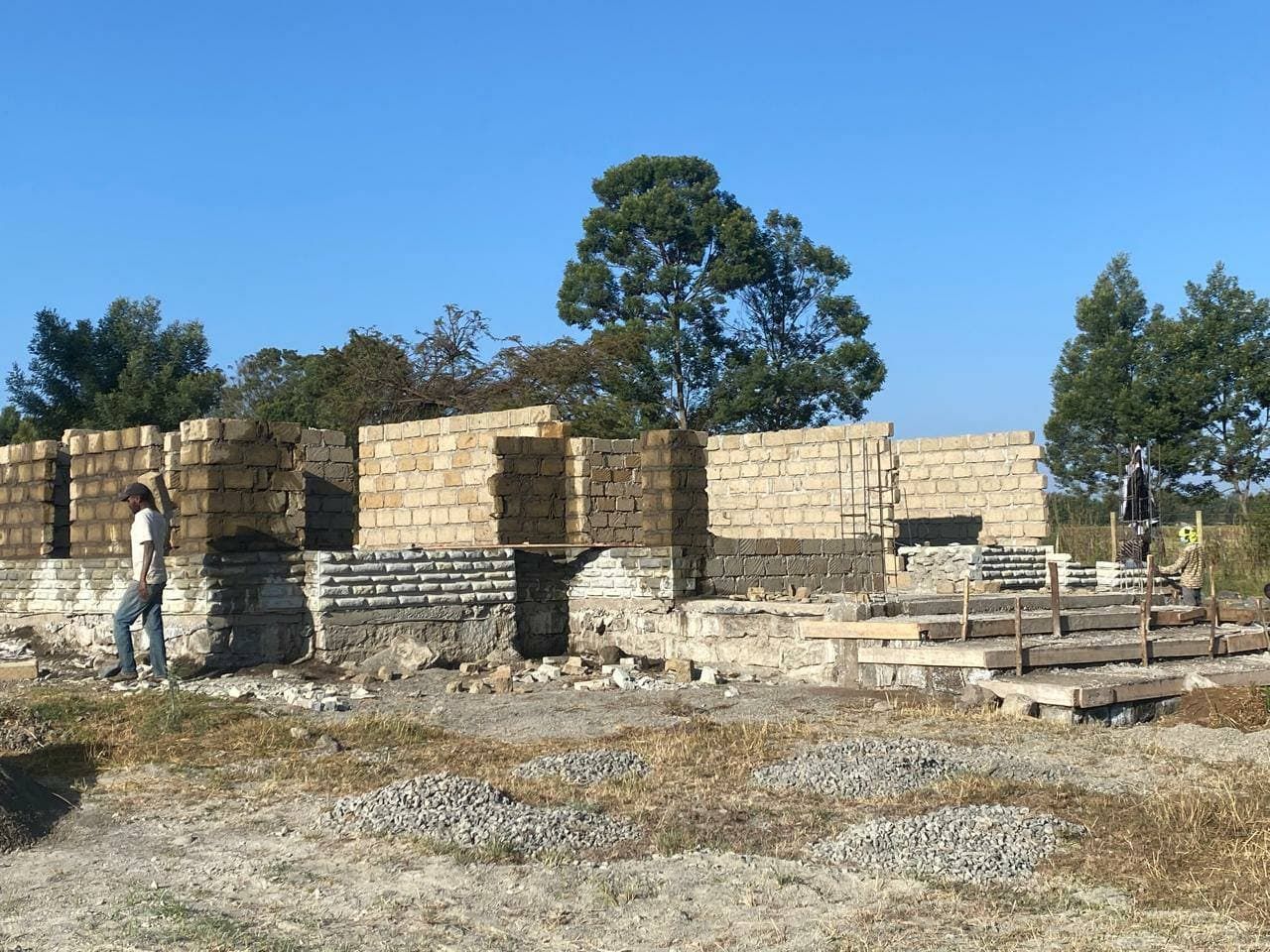
Construction in progress, when dust, noise and waste commitments in a management plan are actually tested.
 Site photograph
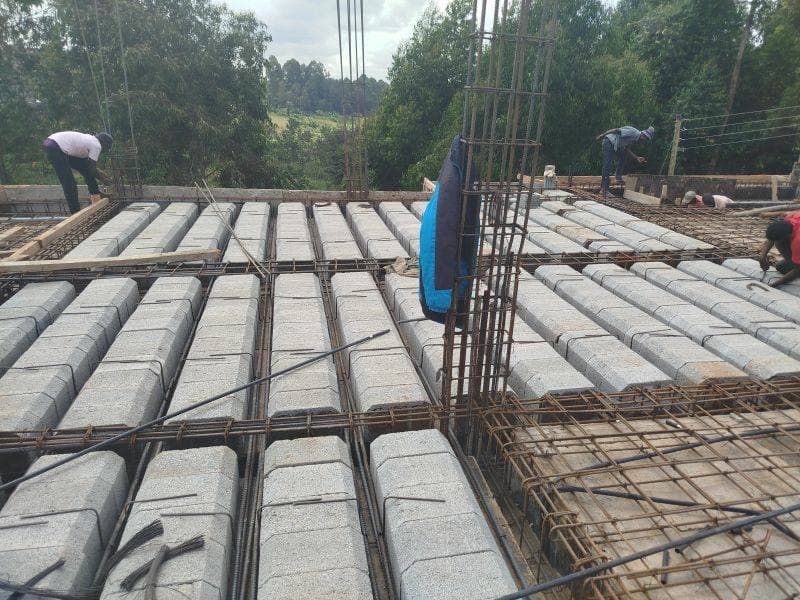
Structural works on a TopHall site.
Before you call
What developers ask about EIA
Does my project actually need an EIA?
It depends on the type of development, its scale and its location — projects listed under the Second Schedule of the Environmental Management and Co-ordination Act require assessment, and sensitive locations can bring in projects that would otherwise fall outside it. That screening question is quick to answer and costs you nothing, and it is far better answered before you mobilise than after.
How long does an EIA take?
The report itself is usually a matter of weeks, depending on the baseline work and how much public participation the project requires. The review period after submission is NEMA's and is outside anyone's control. The practical answer is to start the assessment in parallel with the design rather than after it, which typically removes the EIA from the critical path entirely.
Who signs the report submitted to NEMA?
An environmental impact assessment report submitted in Kenya must be prepared and signed by an EIA Expert registered with NEMA. We confirm at the start of every appointment that this requirement is covered for your specific report, so the submission is valid when it is lodged. If you want the registration details for the expert on your project, ask and we will provide them.
Does your project need an EIA?
Tell us what you are developing and where. We will tell you whether an assessment is required, which type, and how long it realistically takes.
Prefer to talk now? Call +254 742 147 558.