
Environmental Audit · Nairobi
Environmental Audit Companies in Nairobi
Initial and annual environmental audits for facilities already in operation — conducted against your licence conditions and management plan, with findings written so somebody can act on them.
- Incorporated in Kenya
- Est. 2017
- Service lines under one contract
- 7
- Office hours, Nairobi
- Mon–Sat
Book an environmental audit
Four fields. You'll hear back within one business day, from someone who can answer technical questions.
Registered and compliant with


Audit versus assessment
An assessment predicts. An audit checks what actually happened
An environmental impact assessment is done before a project is built and describes what it is expected to do. An environmental audit is done afterwards and establishes what it is actually doing — whether the mitigation was implemented, whether the licence conditions are being met, and where the facility's real exposure sits.
For most operating facilities in Kenya this is a recurring obligation rather than a one-off. It is also, done properly, one of the more useful documents a business gets: a technical account of where waste, water, effluent, noise and emissions are being managed adequately and where they are not.
The version that is not useful is the one that lists observations without consequences, gets filed, and produces an identical report the following year. An audit is only worth commissioning if the findings are specific enough to assign to someone with a date.
What weak auditing misses
Five findings that recur year after year
Usually because the last report described them rather than resolving them.
Mitigation that was never implemented
Measures committed to in the original management plan that no longer exist on site, or never did. That gap is the first thing an audit should establish.
Effluent and wastewater going somewhere unexamined
Where discharge actually ends up, whether it is treated, and whether that matches what was licensed, is a question with engineering answers.
Drainage that has been altered since
Extensions, hardstanding and new buildings change how a site sheds water. The original drainage design frequently no longer describes the facility.
Waste handling without records
Segregation, storage and licensed disposal are only demonstrable if someone is recording them. Absence of records is itself a finding.
Findings with no owner and no date
A recommendation nobody is responsible for is a recommendation that reappears in next year's report unchanged.
What we audit
What an environmental audit covers
Scoped to your facility and to the conditions it operates under.
Initial & Annual Audits
Systematic examination of an operating facility against its licence conditions, management plan and applicable requirements.
Environmental Management Plans
Updated plans where the facility has changed since the original, so the document describes the site as it is now.
Effluent & Wastewater Review
Where discharge goes, how it is treated and whether the system installed matches what was designed and licensed.
Drainage & Stormwater Assessment
How the site handles runoff now that it has been extended, resurfaced or built on since the original design.
Corrective Action Planning
Findings turned into a schedule of works with owners, dates and cost estimates, rather than a list of observations.
How an audit runs
Six stages, from documents to action plan
Most of the value is in the last two, which is where many audits stop short.
Document review
The original assessment, licence, conditions, management plan and any previous audits.
Site inspection
The facility as it actually operates — processes, storage, discharge points, drainage, waste handling.
Interviews & records
How the site is run day to day, and what is being recorded, by whom and how reliably.
Gap analysis
Where practice diverges from the conditions and the plan, and how material each divergence is.
Report
Findings written specifically enough to be acted on, with the significant ones separated from the minor.
Corrective action plan
What to fix, who owns it, by when, and roughly what it costs.
Why TopHall
An audit that comes with the fix
Most findings on an industrial or commercial site are engineering problems.
We can design the corrective works
Water engineering and drainage are our own services, so a finding about effluent or stormwater can be followed by a design rather than a referral.
Findings with owners and dates
The report ends in an action plan, not a list of observations. That is what makes the next audit shorter.
Drainage assessed as it is now
We look at what the site has become — extensions, new hardstanding, altered falls — rather than auditing against a drawing from years ago.
Significance separated from noise
A report that flags forty items equally is a report nobody acts on. Ours says which ones matter.
Continuity year to year
Last year's actions are the first thing checked, so the audit measures progress rather than restating the position.
Our work
Engineering behind the findings
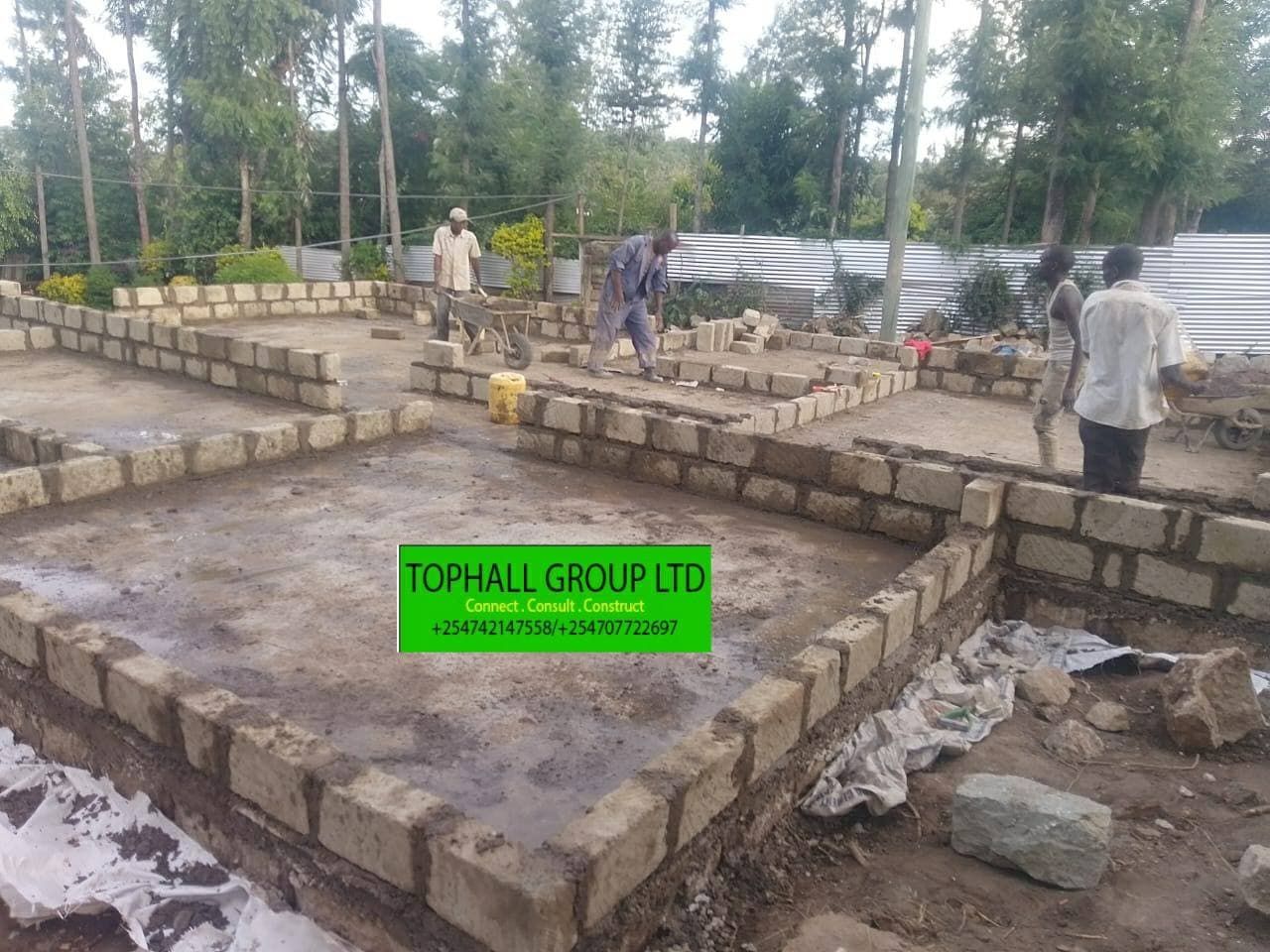
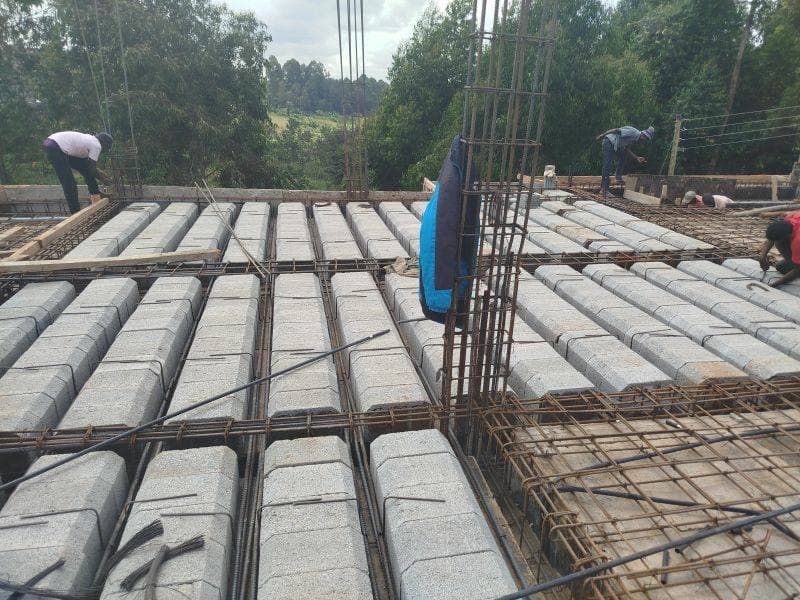
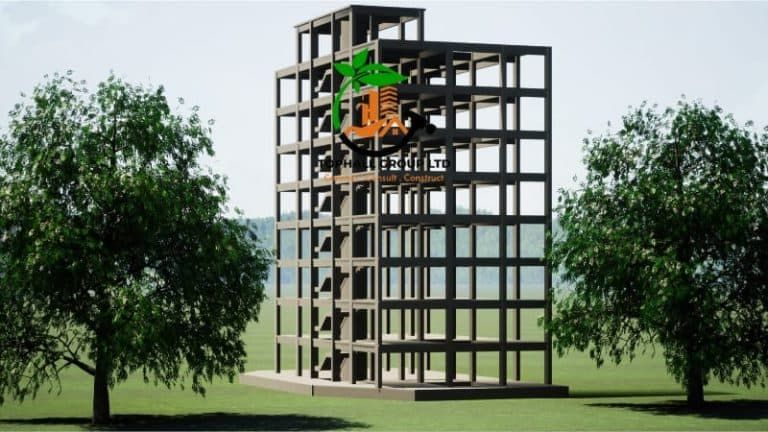
Photographs from TopHall sites and a structural visualisation produced by our team, showing the kind of works an audit finding turns into.
 Site photograph
Excavation and substructure — the works involved when a drainage or containment finding has to be corrected.
 Site photograph
Concrete works on a TopHall site, the form most containment and hardstanding remediation takes.
 Design visualisation
Structural design capability, for findings that require new plant or containment structures.
Before you call
What operators ask about audits
What is the difference between an initial and an annual audit?
An initial environmental audit is carried out on a facility that is already operating but was never assessed — it establishes the baseline and the current position. An annual audit is the recurring examination of a facility against its licence conditions and management plan. Which one you need depends on whether the facility was assessed before it started operating, and we can establish that from your documents quickly.
What happens if the audit finds problems?
That is what an audit is for, and it is much better to find them yourself than to have them found for you. The report separates significant findings from minor ones and ends in a corrective action plan with dates and cost estimates. Demonstrating that you identified an issue and scheduled its correction is a materially stronger position than having no audit at all.
Can you fix what the audit finds?
Frequently, yes. Most findings on a commercial or industrial site come down to drainage, effluent handling, containment or waste storage, all of which are engineering work we do. We will be clear about which findings we can design and build and which need a specialist, and you are never obliged to use us for the remediation.
Due an environmental audit?
Tell us what the facility does and where it is. We will tell you what the audit would cover and what it costs.
Prefer to talk now? Call +254 742 147 558.