
Sustainable Construction in Kenya: Building for the Future Through Green Design and Engineering
 By
By 
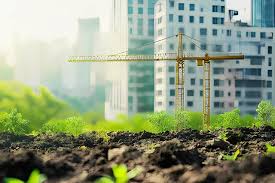
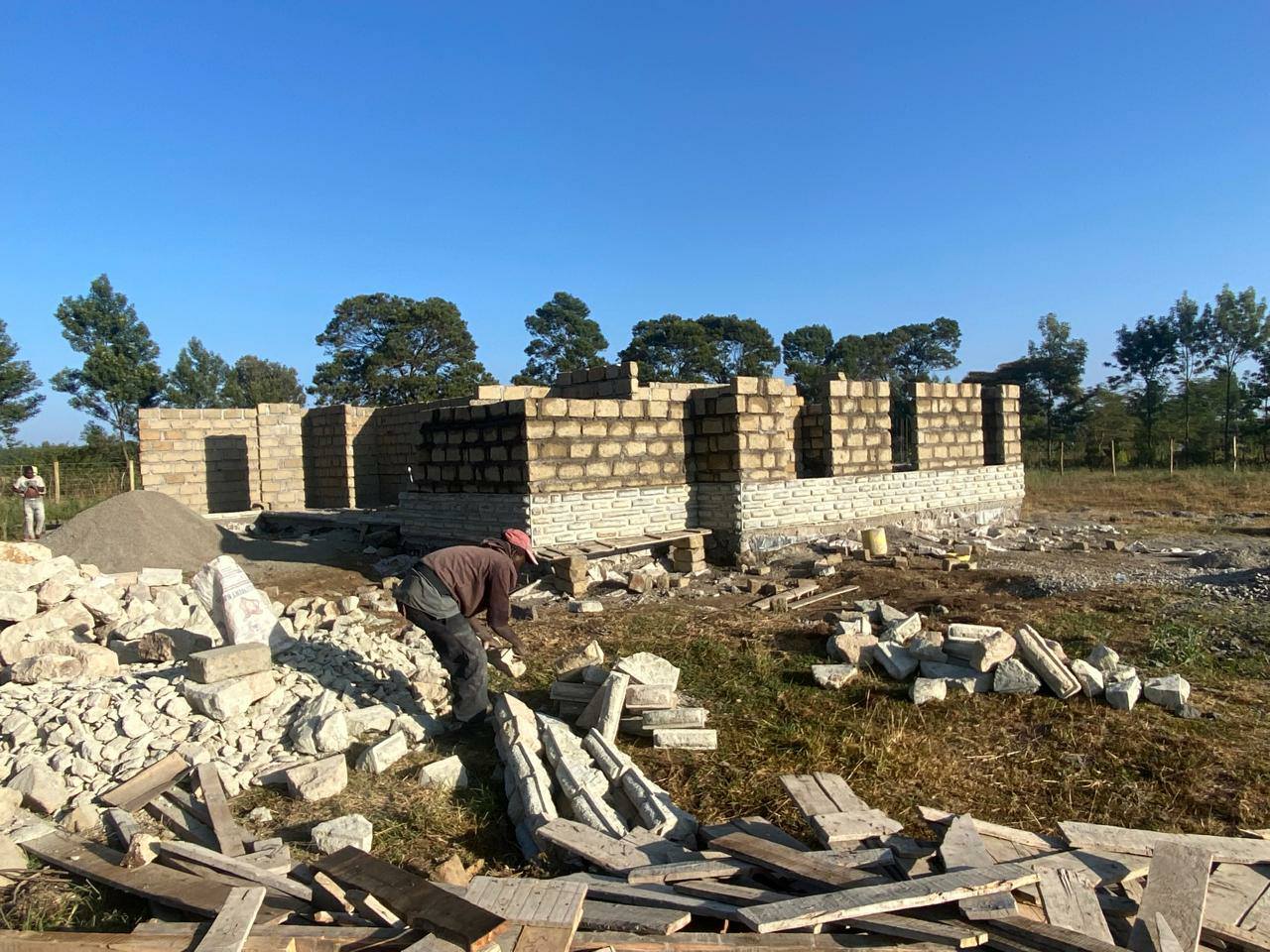
Sustainable construction is no longer a luxury in Kenya—it is a necessity driven by rapid urbanization, rising construction costs, climate change, and increasing pressure on natural resources. As demand for residential, commercial, and social infrastructure grows, the construction industry must adopt environmentally responsible and cost-effective building solutions. Sustainable construction integrates architectural design, structural engineering, water engineering, and environmental planning to create buildings that are efficient, durable, and environmentally friendly.
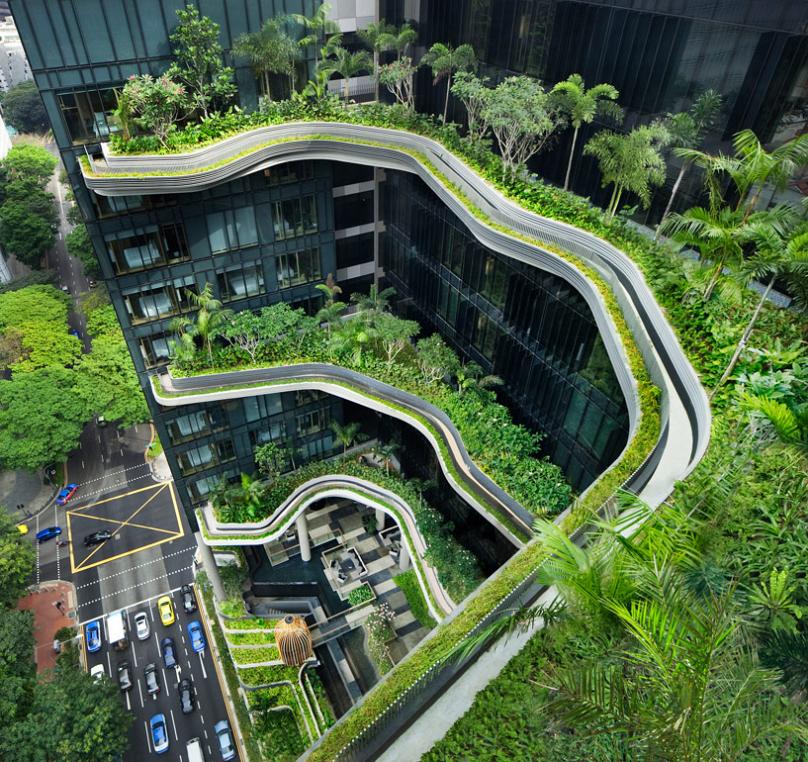
Green building begins at the design stage. Sustainable architectural and structural design focuses on optimizing space, material efficiency, natural lighting, and ventilation. Proper orientation of buildings reduces energy demand for lighting and cooling, while structurally optimized designs minimize material wastage without compromising safety. In Kenya, where construction costs continue to rise, sustainable design offers long-term financial benefits through reduced operational and maintenance expenses.
Energy efficiency is a core pillar of sustainable construction. Buildings designed with energy-efficient layouts, insulation, and materials significantly lower electricity consumption. Incorporating renewable energy systems such as solar power further reduces dependency on the national grid and mitigates rising energy costs. For commercial and institutional buildings, energy-efficient designs translate into substantial operational savings over the building’s lifecycle.
Water sustainability is another critical aspect of green construction in Kenya. Water scarcity remains a pressing challenge, particularly in urban centers and arid regions. Sustainable construction integrates water engineering solutions such as rainwater harvesting, borehole systems, efficient plumbing layouts, and wastewater reuse. Proper stormwater drainage design also prevents flooding and environmental degradation. By managing water resources responsibly, sustainable buildings reduce strain on public water supply systems and promote environmental conservation.
Environmental protection is central to sustainable construction. Construction activities can significantly impact land, water bodies, and surrounding communities if not properly managed. Environmental Impact Assessments (EIA) ensure that potential environmental and social impacts are identified early and mitigated effectively. Compliance with NEMA regulations not only protects the environment but also ensures smooth project approvals and uninterrupted project implementation.
Sustainable construction also improves indoor environmental quality. Proper ventilation, natural lighting, and non-toxic materials enhance occupant health, comfort, and productivity. For residential developments, this results in healthier living environments, while commercial and institutional buildings benefit from improved user satisfaction and performance.
From an economic perspective, sustainable buildings deliver long-term value. Although initial design and planning may require additional expertise, lifecycle cost savings far outweigh upfront investments. Reduced energy and water bills, lower maintenance costs, and longer building lifespan make green construction financially attractive to investors, developers, and property owners.
In Kenya’s evolving construction landscape, sustainable construction is also becoming a competitive advantage. Clients increasingly prefer developers and contractors who prioritize environmental responsibility and compliance. Sustainable projects attract financing, enhance property value, and align with global environmental goals.
Ultimately, sustainable construction is about building resilient communities and infrastructure that meet present needs without compromising future generations. Through green design, responsible construction practices, and integrated engineering solutions, sustainable construction is shaping the future of Kenya’s built environment.